Monitoring and Evaluation Software: A Practical Guide for NGOs in East Africa
What to look for in monitoring and evaluation software — and how offline field forms, budget control and public accountability support donor-ready reporting.
Monitoring and evaluation (M&E) is how development organisations prove that funds reached the right place and produced the intended change. For many teams in East Africa, that work still lives in spreadsheets, email threads and paper forms that arrive weeks after the activity happened. This guide explains what to look for in monitoring and evaluation software, and how Aurora supports impact monitoring, donor compliance and real-time field reporting.
What good M&E software needs to do
Before comparing tools, agree on the jobs the software must do for your programme team, finance team and donors:
- Capture field data reliably, including where connectivity is poor
- Keep budgets, spending and scope changes visible in one place
- Show progress across many similar projects, not just one
- Give stakeholders a trustworthy view of what is happening
- Keep conversations attached to the project they are about
Field data that works offline
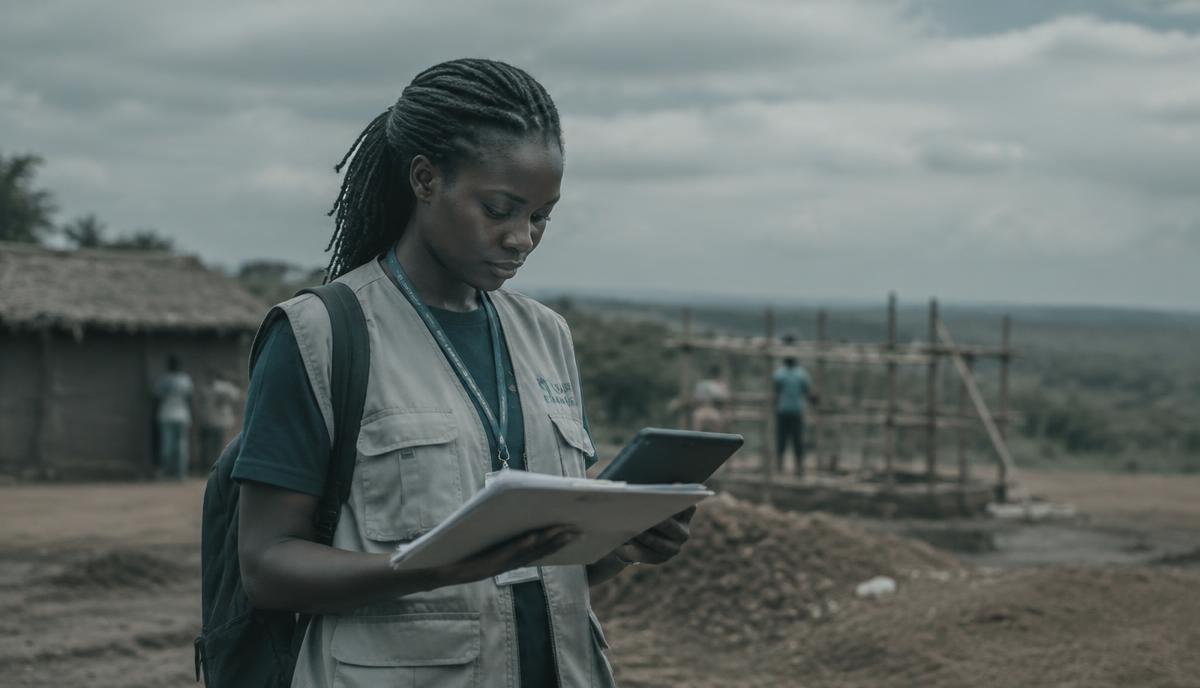
Field officers often collect data where there is no signal. Aurora gives teams offline access to field forms, so observations, measurements and checklists can be captured on site and synced when a connection returns. That means reporting reflects what happened in the field, not what was remembered later.
Budget control and PPADA compliance
Donor compliance starts with money. Aurora links activities to budgets so programme and finance teams can see planned against actual spending as work progresses. For organisations working with public entities in Kenya, Aurora supports procurement and contract processes aligned with the Public Procurement and Asset Disposal Act (PPADA).
Tracking variations with a clear record
Projects change: scope shifts, timelines move and costs adjust. Aurora records variations with their approvals, so every change has a reason, an approver and a date. When a donor or auditor asks why a figure changed, the answer is already documented.
Monitoring across a portfolio of similar projects
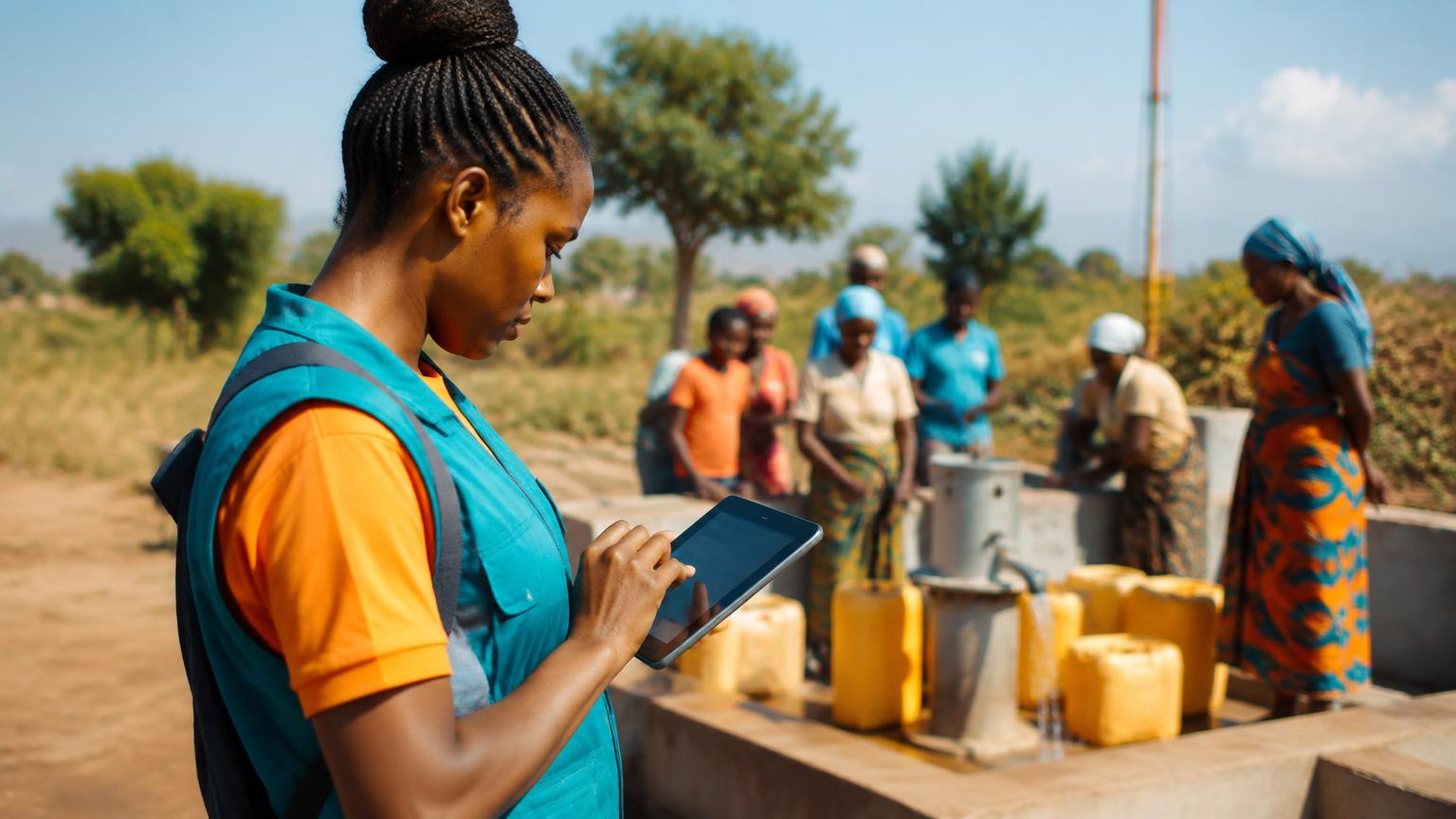
Many NGOs run the same intervention in several locations, such as water points, clinics or schools. Aurora's portfolio management lets you group similar projects and compare their progress side by side, so you can spot the site that is falling behind before it becomes a reporting problem.
Public accountability portal
Transparency builds trust with communities, partners and funders. Aurora's public accountability portal lets you share selected project information so stakeholders can monitor the progress of different projects without asking your team for manual updates.
Communication inside the project
Decisions made on scattered phone calls and chat groups are hard to evidence later. Aurora's in-project communication keeps discussions, updates and questions attached to the project itself, giving your M&E record the context behind the numbers.
A simple checklist before you choose
Choose software that makes accurate reporting the easiest path for the people doing the work.
1. Can field staff capture data without a connection? 2. Are budgets, spending and variations tracked together? 3. Can you compare similar projects across your portfolio? 4. Can stakeholders see progress without extra reporting effort? 5. Does communication stay attached to the project record?
Next step
If your team is reviewing monitoring and evaluation software, see how Aurora supports NGOs and development organisations, or request a demo to walk through your own programme.
Aurora Team
Aurora Editorial